
A report issued by the National Farmers’ Union (NFU), the Crop Protection Association (CPA) and the Agricultural Industries Confederation (AIC) states a pending EU ban on pesticides could threaten British crops, increase food prices and affect farming profits. As it turns out in 2009, the European Union banned the usage of 22 chemicals used in pesticides deemed by the bureaucracy as harmful to human health.
The report went on to point out that the lapsing of current licenses and tighter rules meant the 22 chemicals would not be re-approved, while a total of 40 chemicals would be banned within ten years. At a press conference held for the release of the report, industry group representatives complained not only about lower profits and increased food costs but the EU not basing their new rules on sound science.
The EU’s response to the report was typical, mealy-mouthed bureaucratic drivel while environmentalists scoffed saying farming industry groups were crying wolf. I guess they don’t care that fewer pesticides means fruits and vegetables used are more vulnerable to insect attacks. The BBC outlines some of the comments made by eco freak groups:
Keith Tyrell, of the Pesticide Action Network, said it was “scaremongering nonsense” and farmers were “crying wolf”.
He said a bigger threat to apples and other flowering crop yields was the “likelihood” that pesticides were killing pollinators like bees.
Friends of the Earth nature campaigner Paul de Sylva said: “Intensive use of chemicals is harming bees and other wildlife and the quality of out water and soils. That is the real threat to food security.”
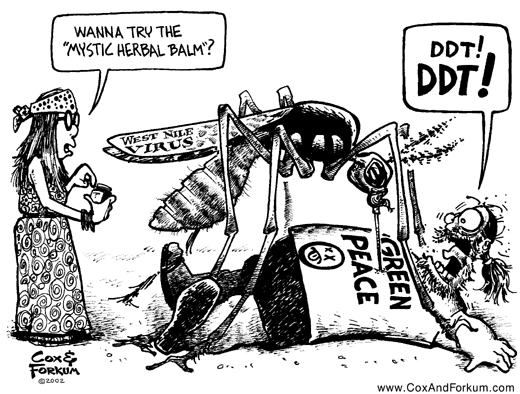
The basis of environmentalist opposition to pesticides isn’t just their disdain for human life but grounded in Rachel Carson’s book The Silent Spring. In that book Carson made numerous claims later deemed to be false about the pesticide DDT. The entire environmentalist movement is a movement based soley on lies which is a result of the moral relativism they subscribe to. In this case, it is to lie not only about pesticides but also to help end the dissemination of GMO foods.
 Green Jihad