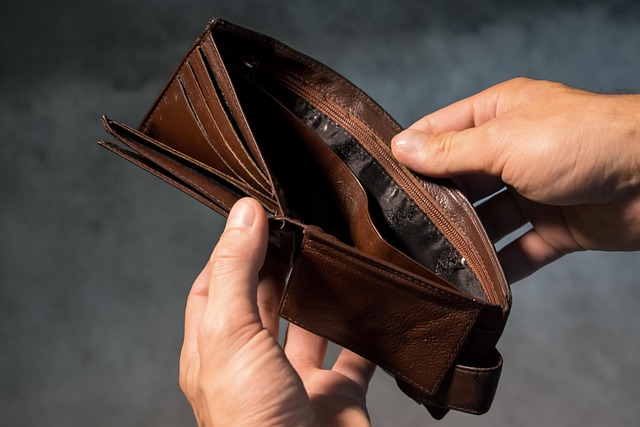
Like Ayn Rand said: You can avoid reality, but you cannot avoid the consequences of avoiding reality.
California Democrats proudly authored nation-leading clean energy goals that forced the automobile industry to go electric and shaped global climate policy.
Then the bill came due.
There is intensifying political pressure on state lawmakers to do something about utility bills that have shot up by as much as 127 percent over the last decade. Climate spending — from wildfire prevention to building out transmission capacity and paying for renewables — is partly to blame.
“Californians are fed up,” said Democratic state Assemblymember Marc Berman at a recent news conference in Sacramento. “My constituents are pissed off. I know because they told me over and over again at every community coffee that I had in the fall and in the winter. Their rates keep going up.”
But sky high rates due to renewable energy isn’t just limited to California, ratepayers states on the East Coast are getting hit too:
Lawmakers there and in other Democratic states with nation-leading climate objectives — like New York and Massachusetts — are scrambling to make their transitions from fossil fuels affordable before they face an all-out ratepayer revolt. The problem is more pressing in an election year when Republicans say Democrats don’t pay enough attention to Californians’ ability to afford the high costs of daily life.
People were told constantly that changing to renewables wouldn’t just reduce people’s carbon emissions, but that their utility bills would go down too. A similar pitch was made trying to convince people to purchase electric vehicles and, despite warnings, now it is all exposed as a fraud.
California lawmakers even enacted restructuring of the state’s utility bills to mirror a progressive tax system where wealthier residents would pay more. Unsurprisingly, the effort failed:
Nearly every Democratic state lawmaker voted for the proposal two years ago, but now at least 20 are supporting legislation to repeal it, citing its potential impacts on middle- and high-income households.
It is because of infantile lawmakers that dominate municipalities, like California and New York, that those areas are in such bad shape. In many ways, California, New York, and Bay State voters wanted this due to the numerous times their politicians campaigned on enacting so-called renewables and its embrace by the public was measured even in the polls. Despite the backlash, unfortunately, voters in these states would likely still keep voting to keep their incumbent(s) in office.
PHOTO CREDIT: Pixabay
 Green Jihad