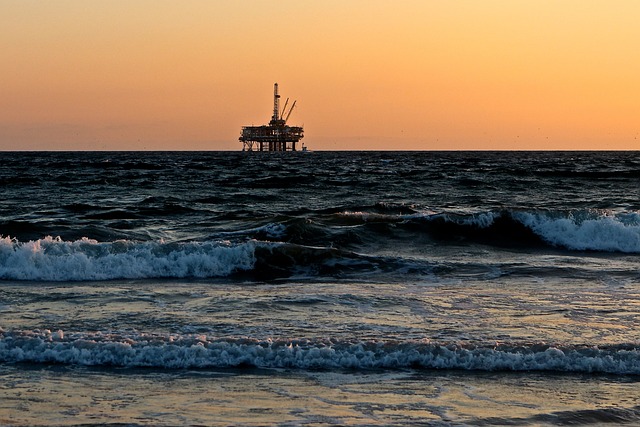
If this is not reversed, it will be a disaster come December.
A U.S. judge at the urging of environmental groups has thrown out an assessment by a federal agency governing how endangered and threatened marine species should be protected from oil and gas drilling in the Gulf of Mexico.
U.S. District Judge Deborah Boardman in Greenbelt, Maryland, on Monday ruled, opens new tab the U.S. National Marine Fisheries Services’ so-called “biological opinion” was flawed and did not adequately address risks species face from oil spills and vessel strikes.
The assessment was issued in 2020 during Republican former President Donald Trump’s administration and was legally necessary for oil and gas exploration and drilling to be conducted.
During August, Judge Deborah Boardman of the U.S. District Court for the District of Maryland and a Biden appointee, ruled in favor of environmentalists who were challenging a crucial environmental review by the National Marine Fisheries Service (NMFS).
This review, known as a biological opinion, is essential for offshore drilling in the Gulf of Mexico. If the federal government does not update the biological opinion by December 20, and if no higher court or Congressional action intervenes, this ruling might force a halt to offshore oil and gas drilling. Developers would then face the choice of either continuing at their own risk or suspending their operations until a new review is completed, according to several energy sector experts and stakeholders.
According to the Energy Information Administration, the Gulf of Mexico ranks as one of the largest sources of oil and gas in the U.S., accounting for nearly 15% of the nation’s crude oil production and 5% of its total dry natural gas output. If the Gulf were considered a country, it would be among the top 12 oil-producing entities globally.
It is worth noting that oil from the Gulf of Mexico is less carbon-intensive compared to oil from other regions. A May 2023 review by the National Ocean Industries Association (NOIA) revealed that Gulf oil is 46% less carbon-intensive than the global average, excluding the U.S. and Canada.
According to Bloomberg, biological opinion central to the potential disruption was issued in 2020 and evaluated the possible effects of oil and gas operations on protected species in the area. Regulators generally use this biological opinion as a comprehensive assessment, rather than conducting individual evaluations for each case.
Not surprisingly, Reuters reveals the Sierra Club and Greenpeace are two environmentalist groups spearheading the litigation against the government. If this isn’t resolved quickly, then oil drilling in the Gulf of Mexico will come to a halt and that’s exactly what the two climate cult groups want, including potential higher gas prices and ruined people’s lives to go along with it.
PHOTO CREDIT: Pixabay
 Green Jihad