This brought to you by the Biden administration and environmentalist’s electric push.
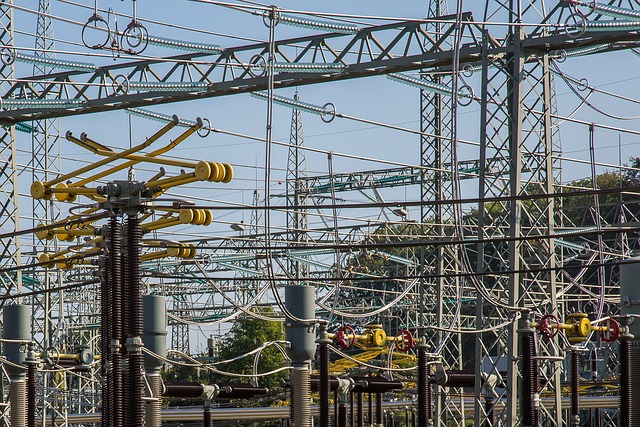
Vast swaths of the United States are at risk of running short of power as electricity-hungry data centers and clean-technology factories proliferate around the country, leaving utilities and regulators grasping for credible plans to expand the nation’s creaking power grid.
In Georgia, demand for industrial power is surging to record highs, with the projection of electricity use for the next decade now 17 times what it was only recently. Arizona Public Service, the largest utility in that state, is also struggling to keep up, projecting it will be out of transmission capacity before the end of the decade absent major upgrades.
Northern Virginia needs the equivalent of several large nuclear power plants to serve all the new data centers planned and under construction. Texas, where electricity shortages are already routine on hot summer days, faces the same dilemma.
The soaring demand is touching off a scramble to try to squeeze more juice out of an aging power grid while pushing commercial customers to go to extraordinary lengths to lock down energy sources, such as building their own power plants.
“When you look at the numbers, it is staggering,” said Jason Shaw, chairman of the Georgia Public Service Commission, which regulates electricity. “It makes you scratch your head and wonder how we ended up in this situation. How were the projections that far off? This has created a challenge like we have never seen before.”
Vice president of transportation at AlphaStruxure Christine Weydig, whose company designs and operates clean-energy projects, told WaPo: The infrastructure is not there, and that Utilities are not going to be able to move quickly enough to provide all this capacity. Relief, however, will take time thanks to the bureaucracy that will hold up the ability to provide needed energy (emphasis mine):
The Biden administration has made easing the grid bottleneck a priority, but it is a politically fraught process, and federal powers are limited. Building the transmission lines and transfer stations needed involves huge land acquisitions, exhaustive environmental reviews and negotiations to determine who should pay what costs.
If their actions on litigating to halt solar and wind power facilities is any indication, environmentalist attorneys will undoubtedly be available to help put the brakes on the infrastructure needed to expand power capacity. This was all part of the plan, ladies and gentlemen. America is teetering on the brink of its lights truly going out thanks to Biden’s so-called clean energy push all cheered on by environmentalist groups.
PHOTO CREDIT: Pixabay
 Green Jihad