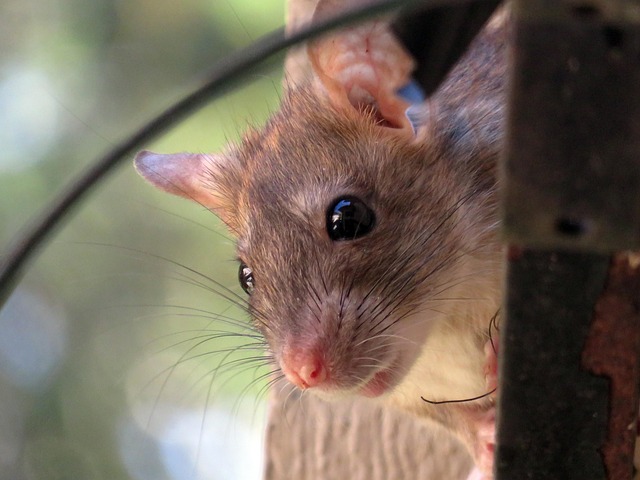
A study by a group of biologists and pest control experts published in Science Advances late last month asserts climate change is leading to an increase in rat populations in several major cities globally. According to Euronews the study, which looked into rat complaints, suggests that warmer temperatures are creating ideal conditions for rats.
The 19 member research team analyzed data from 16 cities and found that 11 of them, including Washington, DC, San Francisco, Toronto, New York City, and Amsterdam, have seen notable rises in rat populations.
The scientists gathered this information through public sightings and inspection records to assess trends in rat numbers across these cities. However, the study notes that the claim of increasing rat populations due to climate change has not been definitively proven.
Despite this, however, the manuscript firmly asserts that higher temperatures caused by human activities are linked to growing rat populations.
However, three cities—New Orleans, Louisville, and Tokyo—experienced a notable decline in rat numbers despite temperature increases.
It is very likely that other factors such as garbage accumulation in streets and alleys, the expansion of slum areas, and the rise in homeless encampments under bridges and in tent cities contributes to rat population growth.
The study’s lead author, University of Richmond biologist Dr. Johnathan Richardson, admitted to Euronews that New Orleans undertook significant efforts to engage directly with neighborhoods. The city conducted educational workshops and campaigns aimed at informing residents about ways to make their properties less attractive to rats that successfully reduced the city’s rat population.
Additionally, trash management practices, which were not considered in the study, can have both detrimental and beneficial effects on rat populations.
The scientists undoubtedly funded the study using a grant to fund climate change research. Unfortunately, because the amount of money titled toward climate change research that is geared towards it and blaming humans for climate change, it results in incomplete work or biased conclusions.
PHOTO CREDIT: Pixabay
 Green Jihad