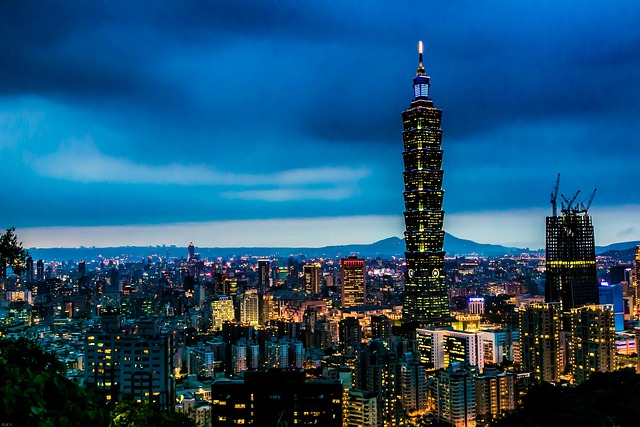
Taiwan is a prosperous, vibrant Asian society known for its burgeoning technology sector. Unfortunately, the country has made some bad moves as of late that can be its undoing. Recently, Taiwan shut down it’s last nuclear power plant as part of a renewable energy transition. The alternative? Fossil fuel plants, like coal.
Shortly after doing so, concerns are already being raised about a lack of an adequate energy supply as well as their Communist opponent, China. Fortunately, saner heads are beginning to prevail.
Taiwanese lawmakers revised a nuclear power Bill that effectively opens the door to a restart of the island’s atomic plants, underscoring a wider policy shift as its energy demand grows and geopolitical tensions worsen.
Under the amended law, nuclear plants that could previously operate for only 40 years will be allowed to renew or extend their licences for up to 20 years at a time, according to legislative Speaker Han Kuo-yu.
The revision also allows operators to apply for renewal of a licence before or after it expires.
Despite the above good news, Taiwan may have internal issues that might makes things worse. Despite the Middle Kingdom’s saber rattling, China may end up dominating Taiwan without having fired a shot.
China is refining a strategy to conquer Taiwan by weaponizing its critical infrastructure and transforming power plants, ports and data hubs into pressure points for systemic collapse, according to a Chinese military journal. …
It cites the People’s Liberation Army’s (PLA) recent Strait Thunder 2025A drill, which simulated an attack on Taiwan’s largest LNG depot, highlighting China’s growing tactical fixation on energy vulnerabilities.
It claims that a well-timed strike, especially during peak conditions such as typhoons or electoral events, could rapidly destabilize Taiwan, eroding resistance and forcing capitulation under minimal military cost.
Unfortunately, Taiwan’s reliance on imported energy creates strategic vulnerabilities. The US, its primary security ally, opposes unilateral changes to the status quo and sustains arms sales to bolster Taiwan’s defenses.
With increasing cross-strait tensions, China’s developing military doctrine indicates a shift toward asymmetric warfare, aiming for victory through pressure rather than direct conflict.
It would not be surprising if China helped plant the cultural seeds that lead to Taiwan embracing so-called renewable energy schemes. Hopefully, the country will be able to correct its path before its too late.
 Green Jihad
The USA interfered with Taiwan’s nuclear weapons program. This was the whole point of Nixon and other traitors booting them off the UN and installing the CHICOMS card. (See Taiwan’s Former Nuclear Weapons Program, cheap on Amazon) The U.S. also took some of Ukraine’s nuclear weapons after that other communism went bust and never returned them. How’s that working out?
LikeLike