Last Friday, a new report from the International Energy Agency (IEA), titled Sheltering from Oil Shocks, presents a framework for governments to cut fuel use during global oil supply disruptions. The proposal released amid the conflict with Iran recommends several actions, such as cutting back on driving, restricting air travel, promoting remote work arrangements, and transitioning households from gas-powered to electric appliances.
Specific strategies include implementing alternate-day driving rules based on vehicle license plates, reducing highway speed limits, and advising against air travel when viable alternatives are available. The plan also supports shifting home cooking from gas stoves to electric options and encourages employers to allow staff to work remotely to lower overall energy consumption.
Some critics have raised concerns that these recommendations could expand government authority over everyday activities, viewing them as potential encroachments on personal freedom and mobility. They draw parallels to behavioral mandates and coercive policies that various states enforced during the COVID-19 pandemic.
The IEA has acknowledged that shifts in consumer behavior can contribute to managing energy demand, especially during supply crises. However, the agency notes that individual governments retain full discretion over whether and how to adopt such measures.
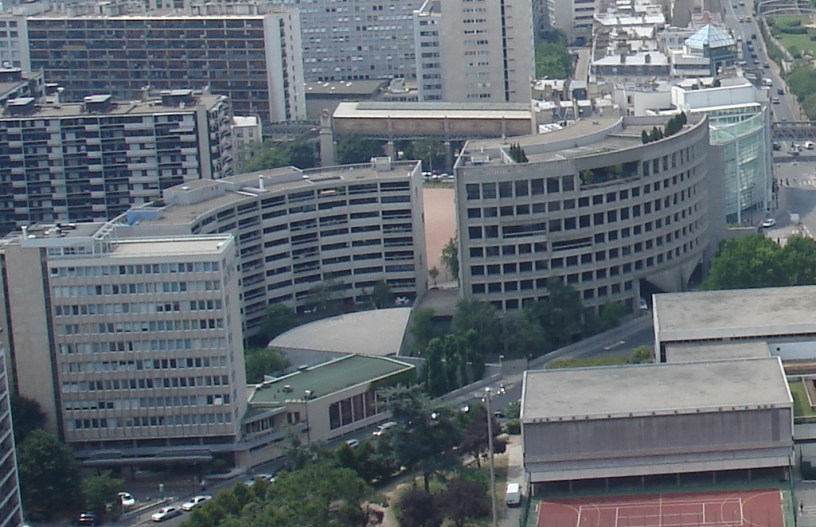
PHOTO CREDIT: The Embassy of Australia, Paris, where the IEA headquarters are located. By Russell Yarwood from Costa Mesa, United States – ParisUploaded by Fæ, CC BY-SA 2.0, https://en.wikipedia.org/w/index.php?curid=75659794
 Green Jihad