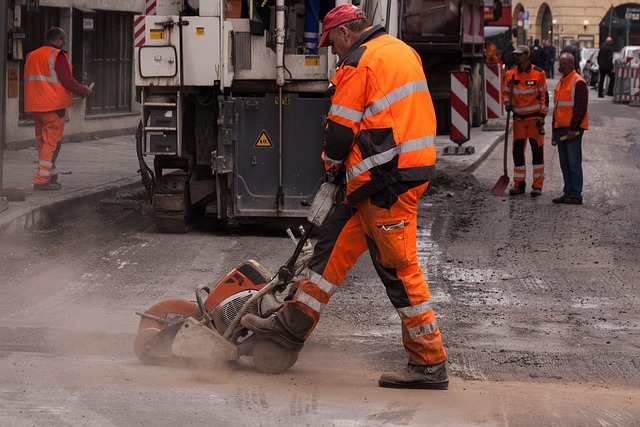
In fairness, Florida did legalize this practice as part of a pilot program, but this is concerning.
The Environmental Protection Agency (EPA) has approved a pilot project that would allow a company to build a small road made out of a radioactive fertilizer byproduct — drawing environmentalist ire.
The Biden administration’s approval allows Mosaic Fertilizer, LLC to construct a road made of phosphogypsum on its property in New Wales, Fla.
Phosphogypsum contains radium, which decays to form radon gas, both of which are radioactive and can cause cancer, according to the agency.
The material or substance in question is a byproduct of phosphorus production when it’s extracted from phosphate rock. Under normal circumstances, federal regulations mandate that phosphogypsum be stored in specially designed piles, called stacks, to minimize the public’s exposure to its radioactive elements.
A little over thirty years ago, the EPA said the use of phosphogypsum in road construction posed risks to both construction workers and anyone who might later build a home on land where the phosphogypsum road once existed.
However, the use of the substance was allowed four years ago during the Trump administration only to be later reversed by Biden. Now, the agency asserts that the public is not likely to come into contact with the road and that the overall risk to the public from the pilot project is low.
A fertilizer trade organization recently stated using phosphogypsum in road materials would not produce radioactive exposure above acceptable risks and even Chinese scientists who reviewed a number of manuscripts about phosphogypsum were very optimistic about it potentially being used in road construction materials. The concerns being raised on the part of the Center for Biological Diversity could be an effort on their part to block progress so it remains to be seen what the outcome of the tests are.
 Green Jihad