
It was a blowout for Republicans on the federal, state, and even local level last night. Not surprising in many ways due to midterms usually benefiting the party out of power. However, despite the shellacking, not surprisingly, Trump is as defiant as ever.
Trump’s conciliatory tone, backed by a firm backbone (i.e. veto), is a good look. Despite strong Democrat gains in the 2026 midterms that bolstered their congressional standing, the party still lacks the 60 Senate seats typically needed to defeat a filibuster. President Trump also retains veto power over any legislation Congress passes. Together, these obstacles are likely to constrain major near-term shifts in U.S. economic policy, especially when it comes to energy.
Trump declared an energy emergency during his first hours in office in January 2025, invoking the National Emergencies Act to accelerate fossil fuel development. In a flurry of executive orders since then, the president has made U.S. energy dominance one of his primary economic objectives, framing it as a matter of national security.
Tom Pyle, president of the Washington-based American Energy Alliance, told The Center Square that attempts by newly elected Democratic majorities to roll back those executive actions will be neutralized by Trump’s veto pen.
“They can do Congressional Review Act resolutions on his rulemakings,” Pyle said — referring to the fast-track legislative tool Congress can use to overturn federal rules adopted since the president took office. “They can pass them, but they’ll be vetoed.”
In addition to his veto power, Trump is preparing a variety of different methods to use in order to blunt much of what Congressional Democrats seek to accomplish.
The White House has spent several months preparing for a potential Democratic takeover of Congress, formulating plans to advance core elements of President Donald Trump’s agenda through executive action while bracing for congressional investigations, according to an administration official and two individuals familiar with the strategy.
Senior aides, including deputy chief of staff Stephen Miller and budget director Russell Vought, have been working alongside the White House Counsel’s Office since April. Their objective has been to identify executive measures on immigration, tariffs, housing costs, and federal spending that Trump can pursue without legislative approval, three sources told Reuters.
White House counsel Will Scharf and his staff are also assessing “what Trump can legally do on his own, where he could push the limits of his authority and how to defend those decisions in court,” the White House official noted.
If history is any indication, Democrats will overreach as they typically do, prompting the United States to move further right in response to the excesses they attempt.
The U.S. got through the autopen years and, painful as it was, will get through this as well. Watching Democrats and their allies react with outrage as Trump starts vetoing their bills will be hilarious—get out the popcorn!
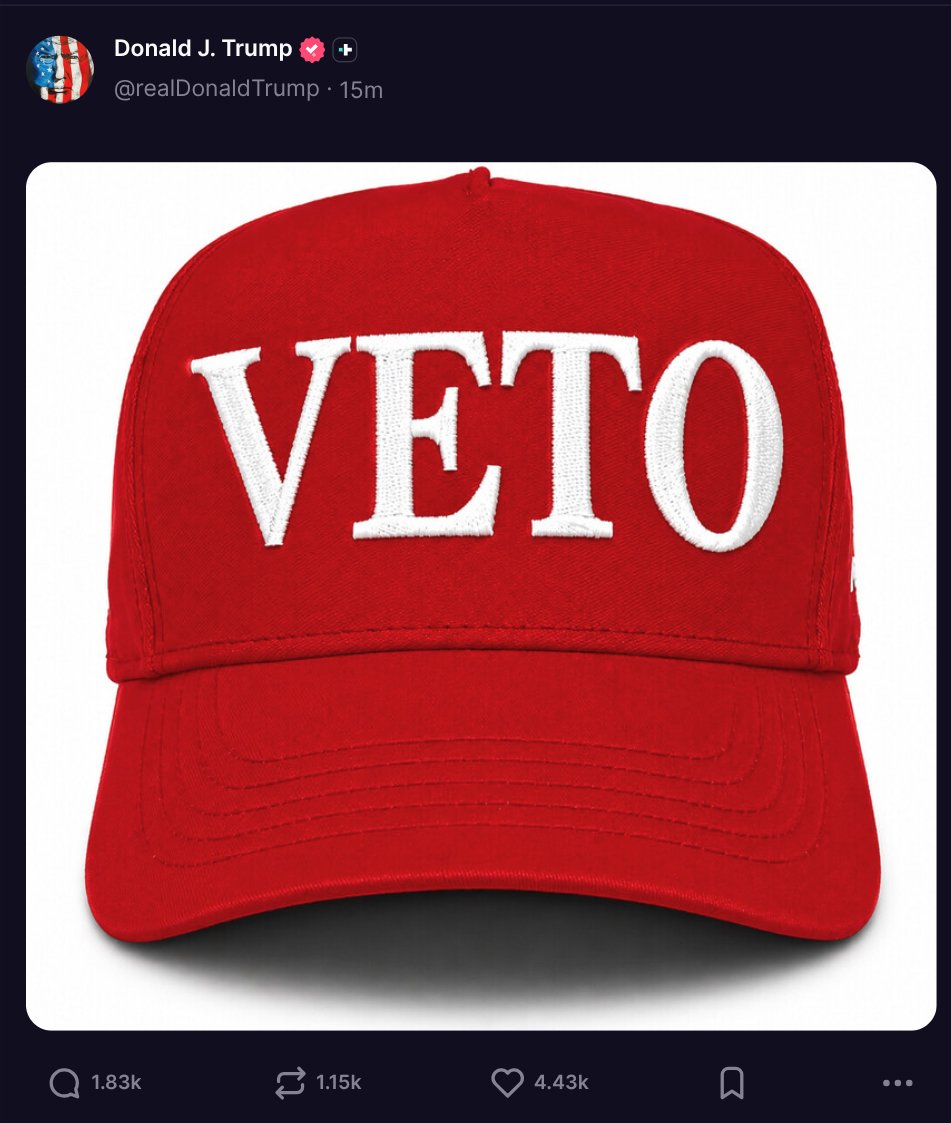
PHOTO CREDIT: Pixabay

