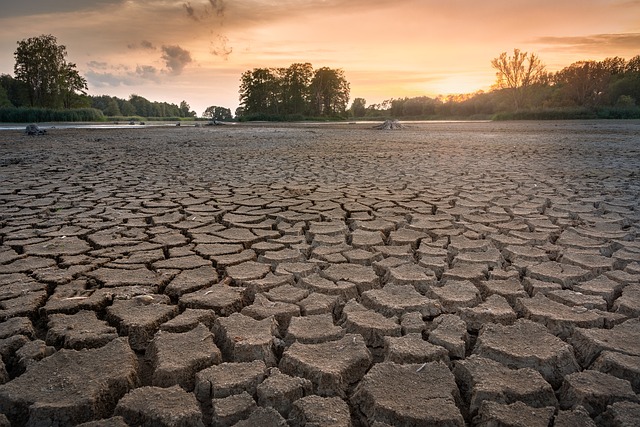
Southern Africa’s rain season is November through March and, unfortunately, it was late this year and rainfall was lower than normal. According to The New York Times:
The rains this year began late and were lower than average. In February, when crops need it most, parts of Zimbabwe, Zambia, Malawi, Angola, Mozambique and Botswana received a fifth of the typical rainfall.
Last year, southern Africa was reportedly very wet, The Times points out, in which the areas affected by the downpours resulted in ranging cows getting stuck in the mud. It is during April and May that regional harvests usually begin. However, this year is different and crop yields are so bad the price of corn in the region has risen dramatically.
Despite the area being considered a climate hotspot by the IPCC, The Times reports because of the areas unique weather patters, that it is very hard to attribute droughts to climate change and even scientists are uncertain if climate change is the cause. Especially since they frequently occur in southern Africa. However, despite the scientific consensus, the Gray Lady says somehow climate change plays a role but news outlet realizes that it means little to the people of the area.
The New York Times then reveals the real reason for the drought:
According to an analysis published Thursday by World Weather Attribution, an international coalition of scientists that focuses on rapid assessment of extreme weather events, the driving force behind the current drought is El Niño, a natural weather phenomenon that heats parts of the Pacific Ocean every few years and tweaks the weather in different ways in different parts of the world. In Southern Africa, El Niños tend to bring below-average rainfall.
El Niño made this drought twice as likely, the study concluded. That weather pattern is now weakening, but a repeat is expected soon.
The Times focused on deforestation saying scientists said it worsened the drought. Deforestation was one of many factors scientists pointed to in their main findings. However, researchers summarized their findings saying:
[O]ur analyses show that El Nino significantly increases the likelihood of such a drought to
occur, while climate change does not emerge as the significant driver influencing the assessed drought
in the affected countries.
Isn’t it funny how the climate industrial complex outlets, like The Times, are selective in their logic or bias? They attribute allegedly extreme weather events in places like North America and Europe to human-caused climate change including, like in this case, misstate the findings of scientific research. Southern Africa and other areas that experience very high heat temperatures and droughts are somehow immune.
Hunger and famine are caused by mass poverty and a lack of development. It is rarely the result of a lack of rainfall. With all of this being said, it is a good thing the WWA published an honest report.
 Green Jihad