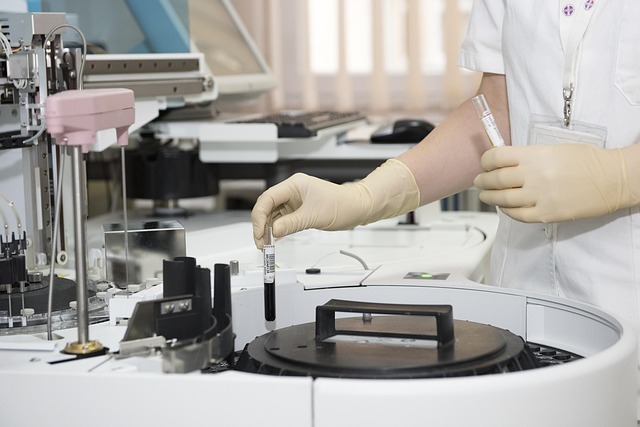
Two public companies have developed lab-grown products to help fight climate change. One of them uses carbon dioxide. It makes perfect sense, doesn’t it?
Smithsonian points out, the Illinois startup creates synthetic butter from atmospheric CO2 and water-sourced hydrogen, replicating natural fat chains via heating and oxidation to form a waxy base refined into fat molecules. Additives like lecithin, artificial flavors, colors, and water ensure it matches real butter’s look, smell, and taste, bypassing traditional agriculture, plants, or animals.
If successful, the butter will then being snuck into the food supply via restaurants and bakeries across America in about three years. Worst of all, the butter was approved exclusively by the Gates Foundation’s own safety claims – no independent tests, animal trials, or public review. Oh, and don’t forget the slop water.

Then there’s also lab-grown Salmon that also was given FDA approval last month and is supported by a number of parties like Leonardo DiCaprio and Jeff Bezos.
The plot thickens.
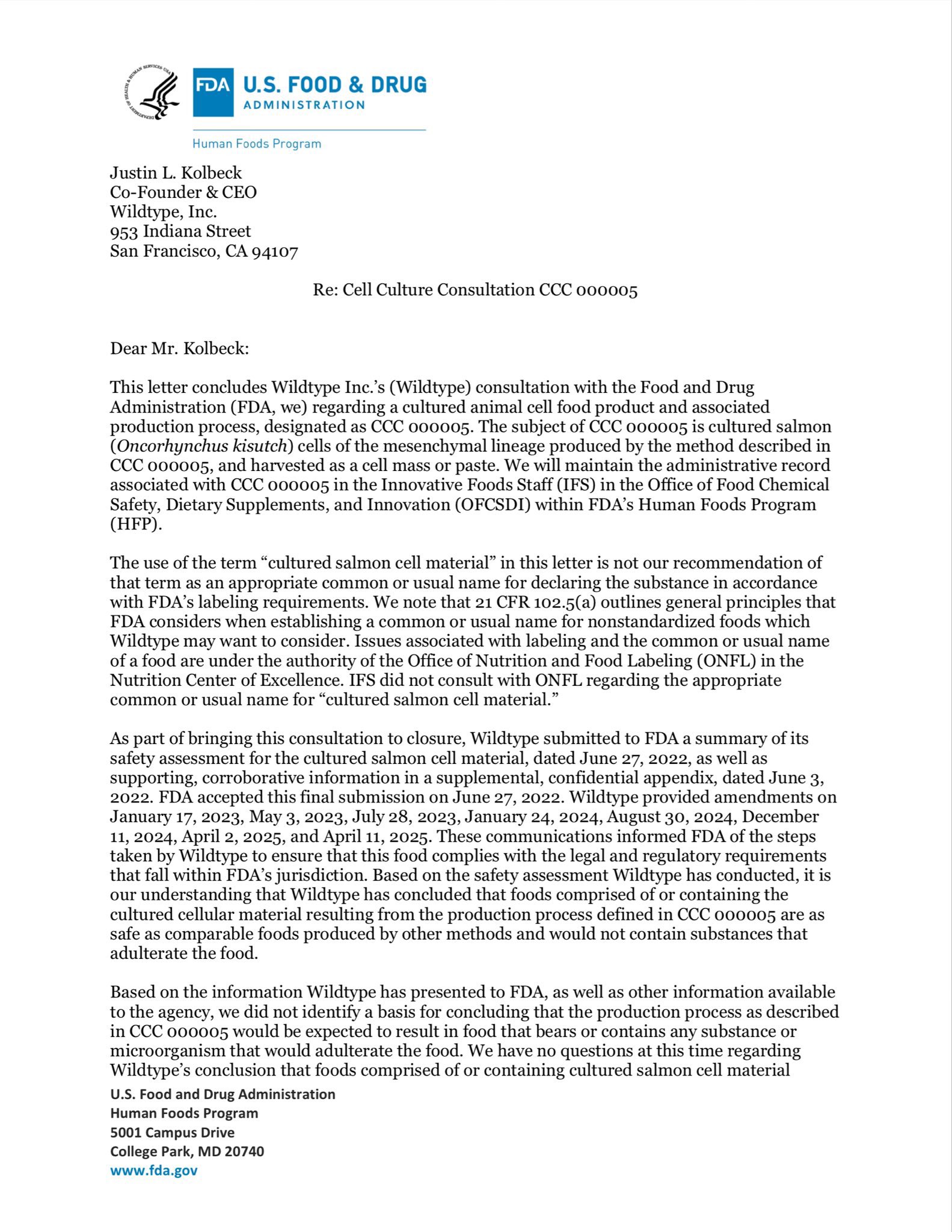
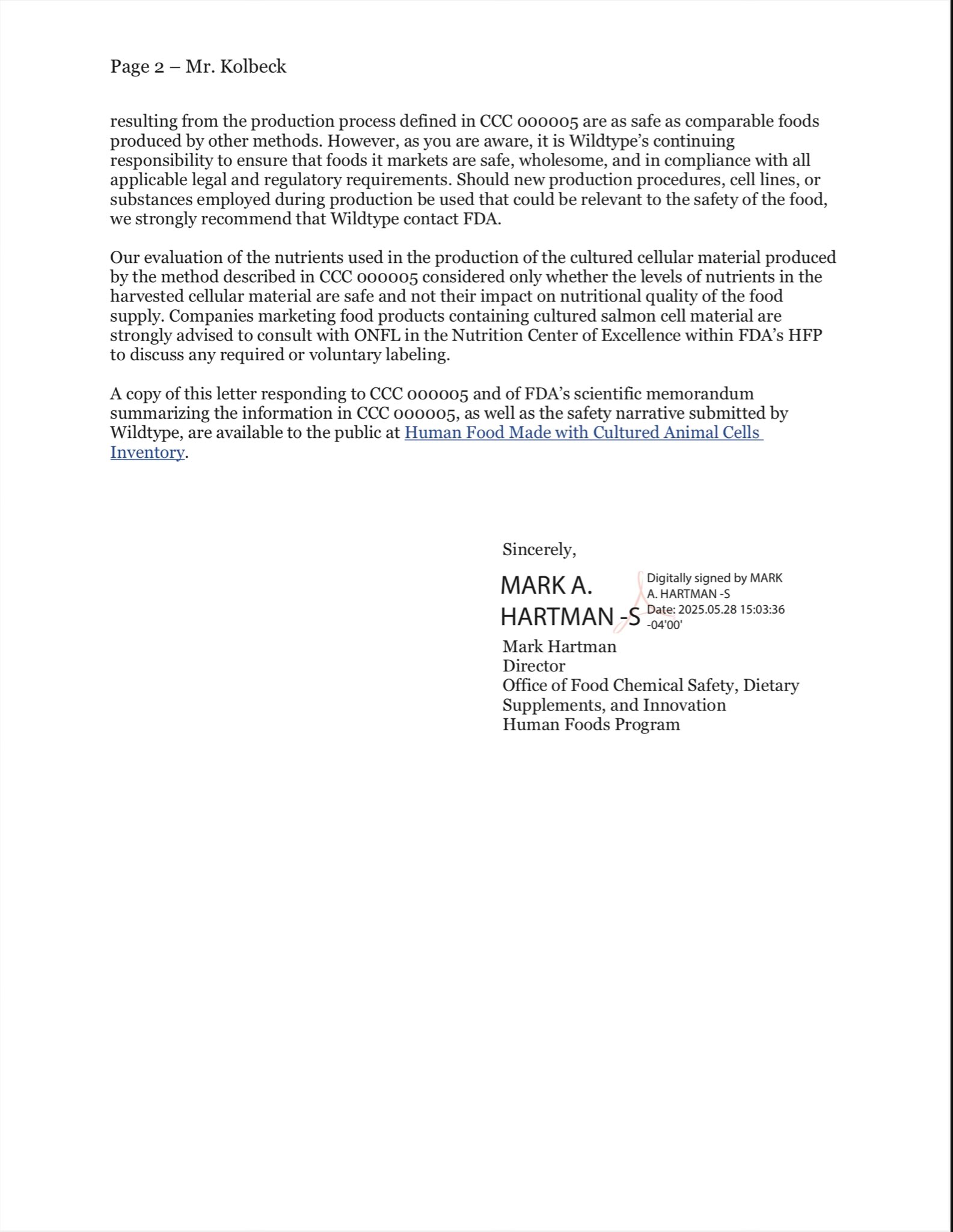
A number of so-called lab-grown meat companies sprouted up a few years ago hoping to develop products that would be meat alternatives, only for their products to be outlawed in certain states and even Italy resulting from questionable ingredients. These lab-made products may suffer the same fate.
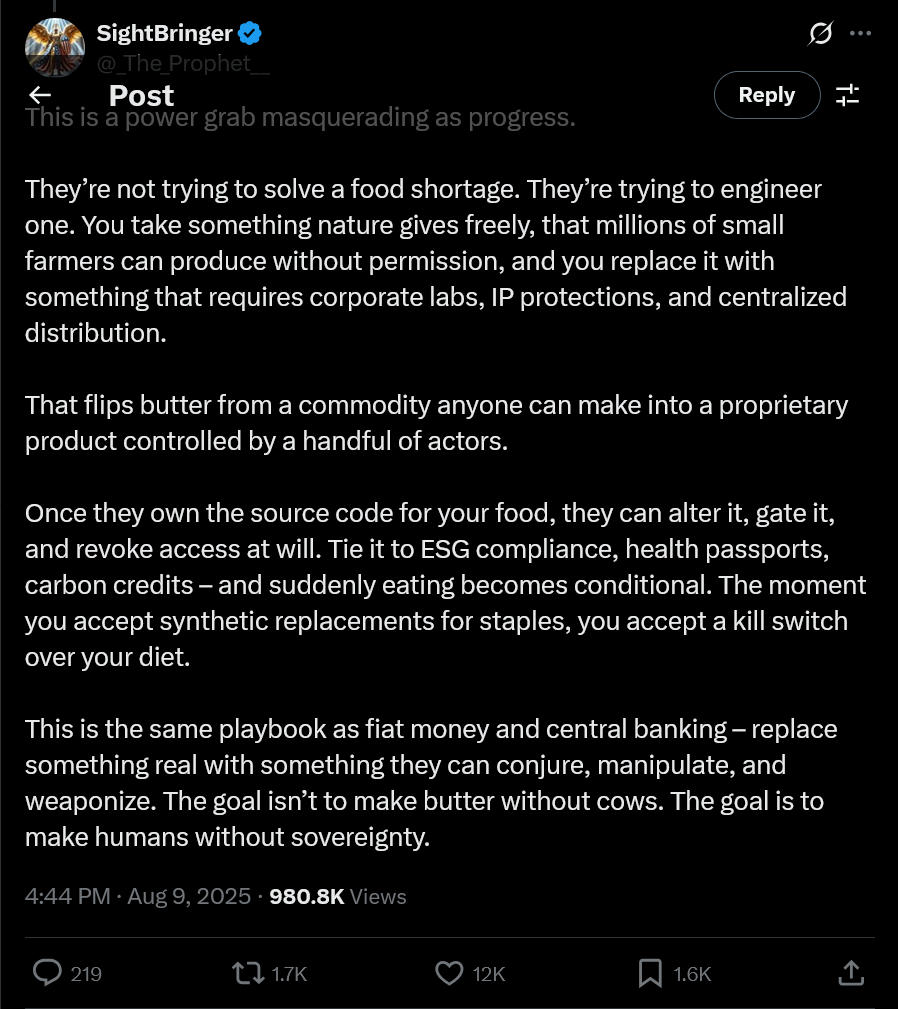
Someone on X made a very plausible observation about Gates’ butter that can be applied with any lab grown product, saying:
If people want to eat or even produce lab-grown products, like meat or fish, have at it. I have eaten lab-grown meat but prefer the real thing. However, what must be scrutinized aren’t just the ingredients, and if they’re healthy, but the overall reasons for their development.
Fighting climate change as a reason to make lab grown meat or fish products is an invalid reason due to the low carbon emissions involved with food production to begin with. Making it as part of an effort to eventually control the food supply is evil.
 Green Jihad